

Why Refrigerant Levels Matter In Air Conditioning Systems
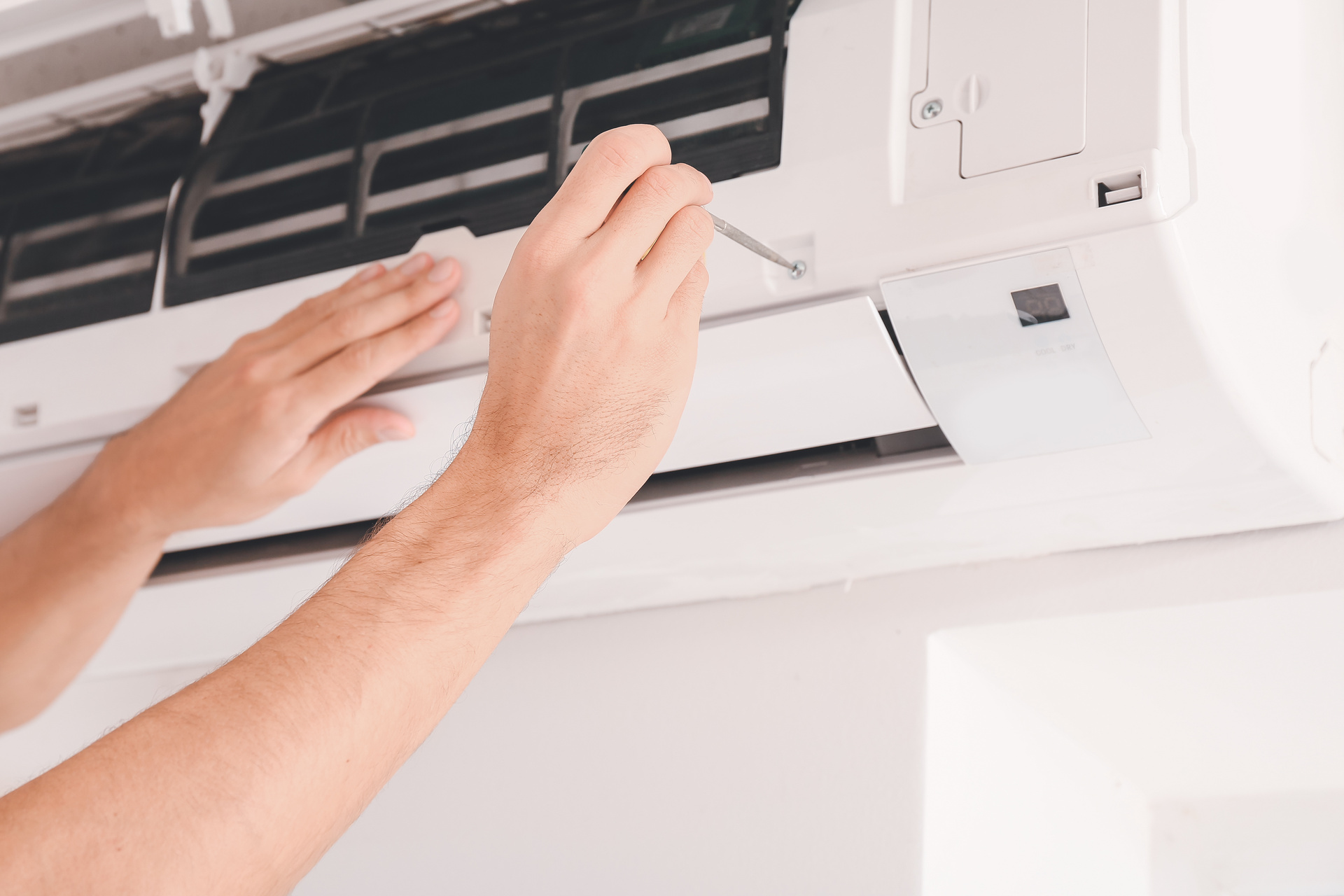

Refrigerant levels directly affect how an air conditioning system operates”
BATON ROUGE, LA, UNITED STATES, May 26, 2026 /EINPresswire.com/ -- Refrigerant levels play a critical role in the operation and efficiency of residential and commercial air conditioning systems. Proper refrigerant charge helps cooling systems transfer heat effectively, regulate indoor temperatures, and maintain system performance during periods of high demand, especially throughout the hot and humid climate conditions commonly experienced across Louisiana and Mississippi.— Jennifer Lingo
Air conditioning systems rely on refrigerant to absorb and transfer heat. The refrigerant circulates through the evaporator coil, compressor, condenser coil, and connected components in a closed-loop system designed to move heat from inside the building to the outside environment. When refrigerant levels become too low or too high, system performance may decline and additional strain can be placed on mechanical components.
“Refrigerant levels directly affect how an air conditioning system operates,” said Jennifer Lingo with LOUMIS Air, serving multiple locations throughout Louisiana and Mississippi. “An improper refrigerant charge can reduce cooling performance, increase system strain, and contribute to long-term equipment issues if left unaddressed.”
Low refrigerant levels are often associated with leaks somewhere within the system. Air conditioning systems are not designed to consume refrigerant during normal operation. If refrigerant levels drop, the cause may involve leaking connections, damaged coils, worn fittings, vibration-related wear, or corrosion affecting refrigerant lines or system components.
One of the most noticeable signs of low refrigerant may be reduced cooling performance. An air conditioning system may continue running for extended periods without properly lowering indoor temperatures. Homeowners and building occupants may notice warmer airflow, inconsistent cooling between rooms, increased humidity indoors, or difficulty maintaining thermostat settings during hotter parts of the day.
Low refrigerant can also affect the evaporator coil. When refrigerant levels drop too far, the evaporator coil temperature may become excessively cold, potentially causing ice buildup on the coil or refrigerant lines. Ice accumulation can restrict airflow further and reduce cooling capacity even more. In some cases, the system may stop cooling entirely until the ice melts and airflow returns.
Compressor strain is another concern. The compressor serves as one of the primary mechanical components in the air conditioning system and depends on proper refrigerant pressure for normal operation. Running an air conditioning system with improper refrigerant levels may increase stress on the compressor over time. Compressor replacement can involve significant repair costs depending on the type and age of the system.
Excess refrigerant can also create problems. Overcharging an air conditioning system may increase operating pressures and reduce efficiency. Higher pressures can place additional stress on components and interfere with proper heat transfer. Refrigerant levels should be measured carefully according to manufacturer specifications rather than estimated or adjusted without proper testing.
Humidity control is closely tied to refrigerant performance as well. In Louisiana and Mississippi, air conditioning systems often play an important role in reducing indoor humidity levels in addition to cooling the air. Improper refrigerant charge may affect the system’s ability to remove moisture effectively, potentially causing indoor air to feel damp or uncomfortable even when temperatures appear lower.
Routine maintenance can help identify refrigerant-related concerns before larger mechanical issues develop. During maintenance inspections, HVAC technicians may evaluate refrigerant pressures, inspect coils, examine refrigerant lines, check airflow, monitor system temperatures, and look for signs of leaks or performance irregularities. Identifying small problems early may help reduce the likelihood of more extensive repairs later.
Leak detection is an important part of refrigerant diagnosis. Simply adding refrigerant without locating the source of the leak may only provide temporary improvement. Refrigerant leaks can continue over time if damaged components or connections are not properly repaired. Technicians may use electronic leak detectors, pressure testing, ultraviolet dye testing, or other diagnostic methods to identify leak locations within the system.
Airflow problems can sometimes resemble refrigerant issues. Dirty air filters, blocked vents, damaged ductwork, dirty evaporator coils, and blower motor problems may also reduce cooling performance. Proper diagnosis is important because refrigerant adjustments alone may not resolve unrelated airflow or mechanical problems.
Different systems may use different refrigerant types depending on the age and design of the equipment. Older systems commonly used R-22 refrigerant, while many newer systems use alternative refrigerants designed to meet updated environmental standards. Refrigerant compatibility matters because mixing refrigerants or using incorrect refrigerant types can damage system components and reduce performance.
Outdoor conditions in the Gulf South can place additional stress on air conditioning equipment. Extended heat waves, high humidity levels, salt air exposure near coastal areas, and long cooling seasons may increase operating demands on HVAC systems throughout Louisiana and Mississippi. Systems operating for long periods during peak summer temperatures may reveal refrigerant-related issues more quickly when cooling performance begins to decline.
Energy usage may also increase when refrigerant levels are incorrect. Systems struggling to maintain thermostat settings may run longer cycles and consume additional electricity while producing less effective cooling. Occupants may notice rising utility costs during periods when the air conditioning system appears to operate continuously without achieving desired indoor comfort levels.
Preventive maintenance schedules may help reduce the risk of refrigerant-related performance issues. Regular inspections can help identify coil buildup, airflow restrictions, loose fittings, vibration damage, and early signs of refrigerant leaks before major cooling failures occur during high-demand summer periods.
Indoor comfort often depends on several connected HVAC functions working together properly, including airflow, refrigerant pressure, thermostat operation, drainage, electrical components, and system cleanliness. Refrigerant levels represent one part of a larger system that must remain balanced for efficient cooling performance.
As temperatures continue to rise across Louisiana and Mississippi during warmer months, refrigerant performance remains an important part of maintaining reliable indoor cooling. Proper refrigerant charge, regular system inspections, and early diagnosis of performance issues may help support system efficiency, reduce mechanical strain, and maintain more consistent indoor comfort throughout the cooling season.
Morgan Thomas
Rhino Digital, LLC
+1 504-875-5036
email us here
Visit us on social media:
Facebook
Legal Disclaimer:
EIN Presswire provides this news content "as is" without warranty of any kind. We do not accept any responsibility or liability for the accuracy, content, images, videos, licenses, completeness, legality, or reliability of the information contained in this article. If you have any complaints or copyright issues related to this article, kindly contact the author above.
