

How Storm Inspections Help Identify Water Entry Areas in Roofing Systems
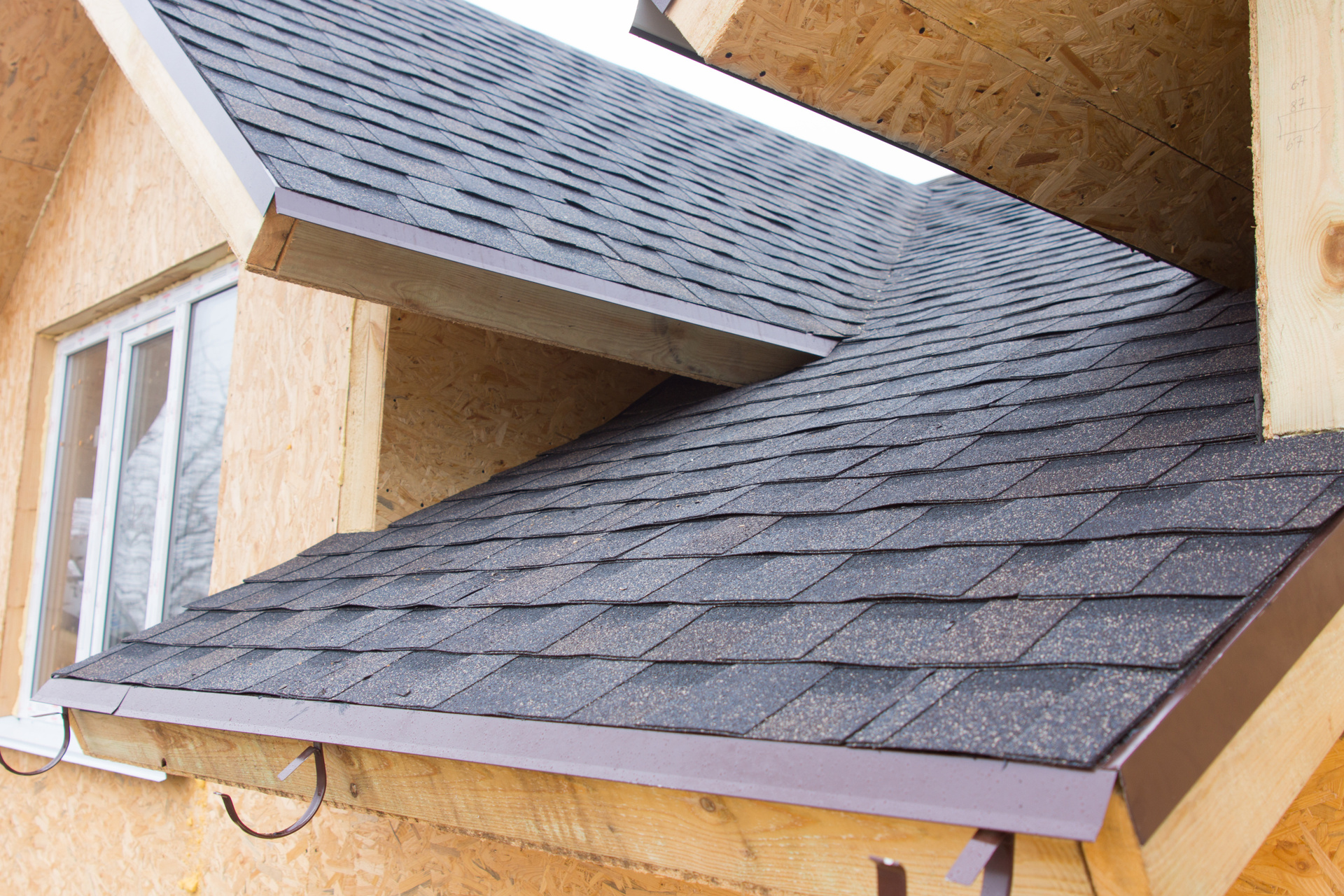

Many roof leaks begin where one material meets another. ”
KNOXVILLE, TN, UNITED STATES, July 9, 2026 /EINPresswire.com/ -- — Tony Moore
Storm activity can create roof concerns that are not always visible from the ground. Wind, heavy rain, hail, fallen branches, and fast-moving weather systems can affect shingles, flashing, vents, gutters, valleys, and roof penetrations. A storm inspection helps identify areas where water may be entering a home or building, often before interior damage becomes more noticeable.
Tony Moore, founder of Tony’s Roofs in Knoxville, Tennessee, is drawing attention to the role storm inspections play in locating possible water entry points after severe weather.
“Storm damage does not always announce itself with a missing shingle or water dripping into a room,” said Moore. “A small lifted edge, cracked pipe boot, damaged flashing area, or clogged valley can create a path for water. A storm inspection helps trace those areas before moisture has time to spread deeper into the structure.”
Roof systems are designed to move water away from vulnerable areas. When that system is interrupted, moisture can find openings around seams, edges, fasteners, penetrations, and transitions. After storms, even minor damage can affect how water travels across the roof surface. Strong wind can lift shingles. Hail can bruise roofing materials. Debris can damage roof coverings. Heavy rain can reveal weaknesses around flashing, vents, and drainage points.
A storm inspection generally includes a review of roof surfaces, shingle condition, flashing, ridge caps, pipe boots, vents, gutters, valleys, roof edges, attic spaces, and interior signs of moisture. The purpose is to determine whether storm activity created openings or conditions that may allow water to enter.
Shingle damage is one of the most common items reviewed during an inspection. Wind can lift shingles and break the seal that helps hold them in place. In some cases, shingles may settle back down after the storm, making damage difficult to see from below. Lifted, creased, cracked, torn, or missing shingles can expose underlayment or fastener points to moisture.
Hail damage may also create water entry concerns. Hail impacts can remove protective granules, bruise shingles, dent metal components, and weaken roofing materials. While hail marks may appear small, repeated rain after impact damage can increase the risk of moisture reaching underlying roof layers.
Flashing is another important inspection area. Flashing is installed around chimneys, walls, valleys, skylights, and roof transitions to direct water away from vulnerable points. During storms, flashing can become bent, loosened, separated, or damaged by debris. Failed flashing may allow water to move behind roofing materials and into attic or wall spaces.
“Flashing and roof penetrations deserve careful attention after storms,” said Moore. “Many roof leaks begin where one material meets another. Those areas handle a lot of water movement, and small changes can affect the direction water travels.”
Pipe boots and roof vents can also become water entry points. Rubber pipe boots can crack with age or split during temperature changes. Storm winds can loosen vent covers or disturb sealants. Any gap around a plumbing vent, exhaust vent, or roof penetration can allow rainwater to enter, especially when wind pushes rain at an angle.
Roof valleys are another area where inspections can uncover concerns. Valleys carry large amounts of water during rainfall. Leaves, limbs, granules, and storm debris can collect in these areas and slow drainage. When water cannot move properly, it may back up under shingles or flow toward vulnerable edges.
Gutters and downspouts may also affect water entry. Storm debris can clog gutter systems and force water to overflow near fascia, soffits, and roof edges. Overflowing gutters can cause water to move into areas not designed for constant moisture exposure. Inspection of gutter flow and drainage helps determine whether water is being directed away from the roofline properly.
Interior and attic inspections can provide additional evidence of water entry. Damp insulation, darkened roof decking, stained rafters, rusted nails, visible moisture trails, or musty odors may suggest that water has entered through the roof system. In some cases, attic evidence appears before stains become visible on ceilings or walls.
Ceiling stains are often a delayed sign of roof-related moisture intrusion. Water may enter at one location, travel along framing, soak insulation, and appear several feet away from the original entry point. Because water does not always move in a straight line, identifying the source may require evaluating both exterior and interior conditions.
Storm inspections can also help distinguish between aging roof materials and weather-related damage. Roofs naturally wear over time, but storm damage may follow recognizable patterns. Wind damage may affect certain slopes more heavily. Hail marks may appear on exposed surfaces. Debris impact may create isolated damage near tree coverage. Understanding these patterns helps identify likely water entry areas.
Moore noted that inspections are especially important after severe weather in the Knoxville area, where storms can include heavy rain, wind, hail, and falling branches.
“After a storm, the roof may look normal from the driveway, but that view does not always tell the full story,” said Moore. “Checking the roof system, attic, drainage areas, and penetrations can help identify water entry risks that are easy to miss.”
Storm inspections are not only about finding visible damage. They are also about understanding how water moves across the roof and where it may enter when roofing components are compromised. A small opening can allow moisture to reach insulation, drywall, decking, framing, and interior finishes.
By identifying water entry areas early, property owners can better understand the condition of the roof system after storm activity. Careful inspection can help determine whether repairs, monitoring, documentation, or further evaluation may be needed.
About Tony’s Roofs
Tony’s Roofs is a roofing company based in Knoxville, Tennessee. The company provides roofing services related to roof repair, roof replacement, storm inspections, roof damage evaluation, and residential roofing concerns in the Knoxville area.
Morgan Thomas
Rhino Digital, LLC
+1 504-875-5036
email us here
Visit us on social media:
Facebook
Legal Disclaimer:
EIN Presswire provides this news content "as is" without warranty of any kind. We do not accept any responsibility or liability for the accuracy, content, images, videos, licenses, completeness, legality, or reliability of the information contained in this article. If you have any complaints or copyright issues related to this article, kindly contact the author above.
