

Damaged Roof Decking May Require Replacement During Roof Installation, Contractors Say
Roof decking is one of the most important structural components of a roofing system, even though it remains hidden beneath the shingles”
KNOXVILLE, TN, UNITED STATES, July 9, 2026 /EINPresswire.com/ -- — Tony Moore
Roof replacement projects occasionally reveal hidden structural issues beneath existing shingles, with deteriorated roof decking among the more common discoveries. Although roof decking remains out of sight during normal conditions, its structural role makes it an essential component of every residential roofing system. When sections become weakened by moisture or decay, replacement may be necessary before new roofing materials can be installed.
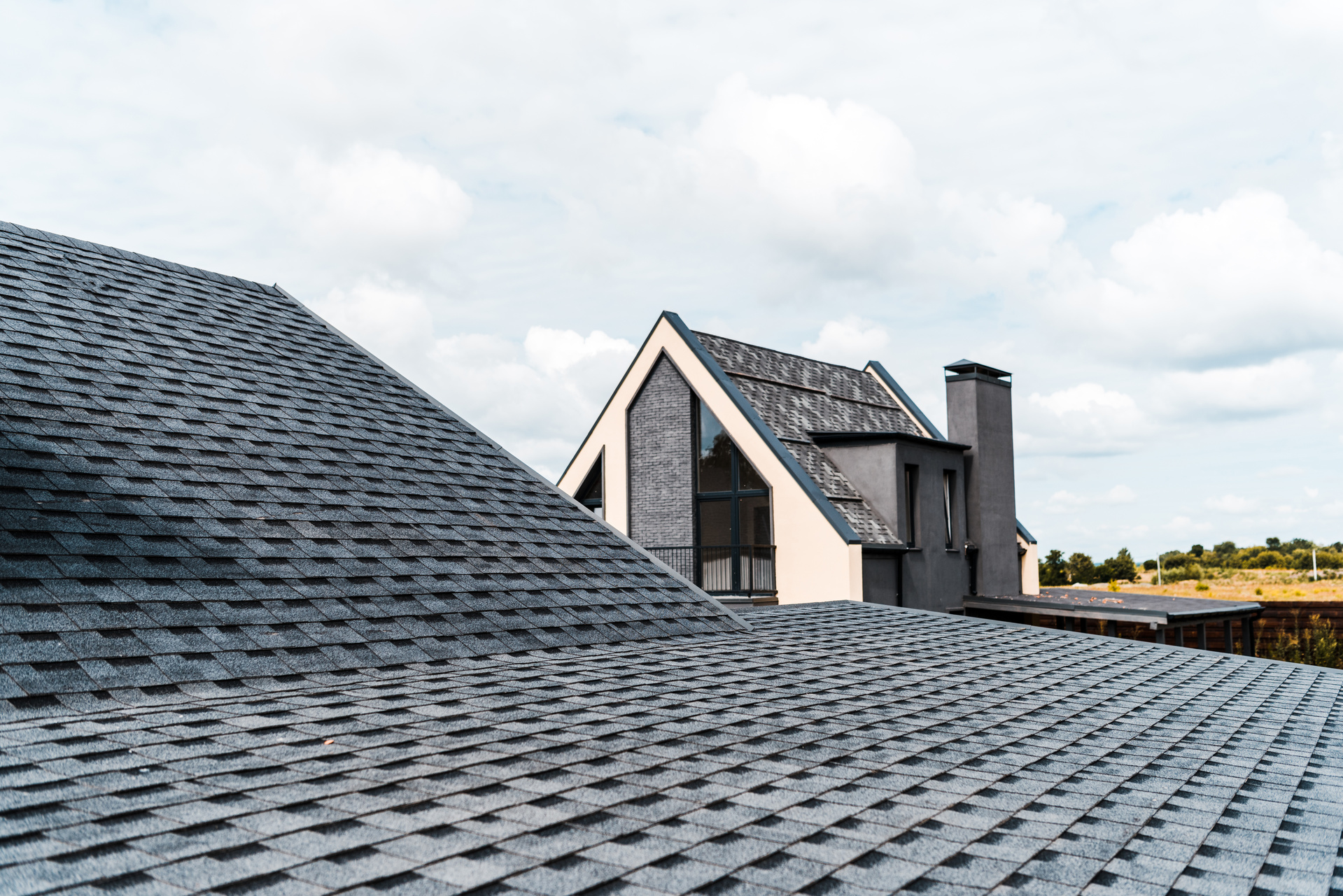
Roof decking, sometimes referred to as roof sheathing, is the wood surface attached directly to the roof framing. Shingles, underlayment, flashing, and other roofing materials are installed over this structural layer. Because the decking supports the entire roofing system, maintaining its integrity is important for both roof performance and long-term durability.
Most residential roof decking consists of plywood or oriented strand board (OSB). These materials are designed to provide structural support while creating a stable surface for roofing components. Under normal conditions, roof decking may remain functional for many years. However, prolonged moisture exposure can gradually weaken wood fibers, reducing structural strength.
Water intrusion represents one of the primary causes of deteriorated roof decking. Roof leaks caused by damaged shingles, failed flashing, ice dams, deteriorated sealants, or storm damage may allow moisture to penetrate beneath the roof covering. Even small leaks that remain undetected for extended periods can contribute to wood rot and structural deterioration.
Poor attic ventilation may also contribute to moisture-related issues. Warm, humid air trapped within attic spaces can condense beneath roof decking, particularly during seasonal temperature changes. Over time, repeated exposure to excess moisture may accelerate wood deterioration if ventilation deficiencies remain uncorrected.
Roof decking damage often remains hidden until an existing roof covering is removed during replacement. Because shingles conceal the wood beneath, visual inspections performed from the ground or roof surface cannot always identify underlying deterioration. Contractors frequently evaluate roof decking after old roofing materials have been removed to determine whether repairs are necessary before installation of the new roof system.
Several indicators may suggest deteriorated decking. Soft or spongy areas beneath foot traffic, visible discoloration, mold growth, sagging roof sections, water stains inside attic spaces, or deteriorated wood fibers may indicate moisture damage requiring further evaluation. However, the full extent of deterioration often becomes apparent only after roof removal.
Replacing damaged decking helps restore structural support before installing new roofing materials. Attempting to install shingles over weakened decking may reduce fastening strength while affecting the long-term performance of the roof system. Sound decking provides a secure foundation that allows roofing materials to perform according to manufacturer specifications.
Replacement typically involves removing deteriorated sections while preserving surrounding structural components that remain in satisfactory condition. New decking panels are installed according to applicable building codes and construction standards before underlayment and roofing materials are applied.
Roof decking replacement also provides an opportunity to identify the original source of moisture intrusion. Simply replacing damaged wood without correcting the underlying cause may allow future deterioration to develop. Contractors often inspect flashing, ventilation systems, roof penetrations, valleys, chimneys, and other vulnerable areas to help reduce the likelihood of recurring moisture problems.
Seasonal weather conditions in East Tennessee expose residential roofs to heavy rainfall, high winds, humidity, snow, and occasional ice accumulation throughout the year. These changing weather patterns place continual demands on roofing systems while increasing the importance of maintaining properly functioning structural components beneath the roof surface.
Building codes may also influence roof decking replacement decisions. Local requirements establish minimum structural standards intended to support roofing systems under anticipated wind, snow, and weather loads. Damaged decking identified during roof replacement may require correction to satisfy current code requirements before construction proceeds.
Home inspections occasionally identify signs suggesting potential decking issues, but comprehensive evaluation generally occurs during active roofing work. Contractors performing roof replacement projects commonly communicate findings after roof removal while documenting damaged areas before repairs begin.
Routine roof maintenance may help reduce the likelihood of extensive decking deterioration. Addressing damaged shingles, replacing deteriorated flashing, maintaining attic ventilation, cleaning gutters, and repairing roof leaks promptly may help limit prolonged moisture exposure that contributes to wood decay.
Advancements in roofing materials have improved overall roof performance, but the structural condition of the decking beneath remains equally important. Underlayment, shingles, ventilation systems, and flashing all depend upon a stable foundation to perform effectively throughout the life of the roof.
Documentation of damaged decking may also become relevant during insurance claims involving storm-related roof damage. Photographs, contractor reports, and inspection findings provide valuable records when evaluating repair recommendations and project scope.
"Roof decking is one of the most important structural components of a roofing system, even though it remains hidden beneath the shingles," said Tony Moore, founder of Tony's Roofs in Knoxville, Tennessee. "When deteriorated decking is discovered during a roof replacement, replacing those damaged sections helps provide the solid foundation necessary for the new roofing system to perform as intended."
As residential roofing systems continue protecting homes from changing weather conditions, the structural components beneath the shingles remain essential to long-term performance. Identifying and replacing deteriorated roof decking when necessary supports proper installation practices while helping preserve the integrity of the entire roofing system for years to come.
Morgan Thomas
Rhino Digital, LLC
+1 504-875-5036
email us here
Visit us on social media:
Facebook
Legal Disclaimer:
EIN Presswire provides this news content "as is" without warranty of any kind. We do not accept any responsibility or liability for the accuracy, content, images, videos, licenses, completeness, legality, or reliability of the information contained in this article. If you have any complaints or copyright issues related to this article, kindly contact the author above.
