

Tony’s Roofs Discusses the Benefits of Seasonal Roof Inspections for Identifying Potential Problems Early
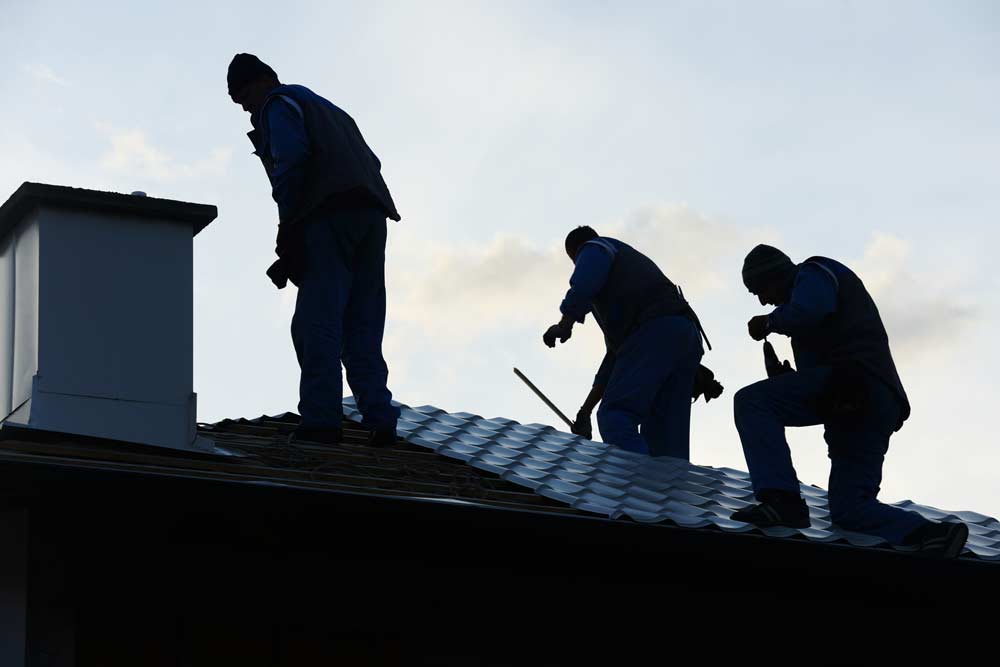

Many roofing problems start small and remain hidden for extended periods. ”
KNOXVILLE, TN, UNITED STATES, July 9, 2026 /EINPresswire.com/ -- A roof is one of the most important components of a home, providing protection from rain, wind, sunlight, temperature changes, and seasonal weather conditions. Because roofing systems are exposed to the elements throughout the year, routine inspections can play an important role in identifying developing issues before they become larger repair concerns.— Tony Moore
Many roofing problems begin as relatively small issues that are difficult to spot from the ground. A loose shingle, damaged flashing, clogged drainage area, or minor storm-related impact may not immediately cause visible interior damage. Over time, however, these conditions can allow moisture intrusion and contribute to more extensive repairs.
Seasonal roof inspections provide an opportunity to evaluate the condition of roofing materials following weather changes that occur throughout the year. In regions such as East Tennessee, roofing systems may experience heavy rain, strong winds, temperature fluctuations, hail, falling branches, snow accumulation, and other environmental factors that contribute to wear and tear.
Spring inspections often focus on identifying damage that may have occurred during winter months. Freeze-and-thaw cycles, ice accumulation, and seasonal storms can affect roofing materials and create vulnerabilities that may not be immediately visible.
Summer inspections can help identify issues related to prolonged sun exposure, heat, and severe thunderstorms. High temperatures can affect roofing materials over time, while strong winds and heavy rainfall may loosen or damage various components.
Fall inspections are frequently performed in preparation for winter weather. Leaves, branches, and debris can accumulate in gutters and drainage systems, potentially affecting water flow during periods of increased precipitation.
Winter inspections may be necessary following significant storms or unusual weather events. Snow loads, ice buildup, and storm damage can place additional stress on roofing systems.
One common misconception among homeowners is that roof problems are always obvious. In reality, many issues develop gradually and remain unnoticed until signs begin appearing inside the home.
Water stains on ceilings, attic moisture, mold growth, peeling paint, damaged insulation, and wood deterioration may all result from roofing issues that existed long before interior symptoms became visible.
According to Tony Moore, founder of Tony’s Roofs in Knoxville, Tennessee, routine inspections can help identify small concerns before they develop into larger repair projects.
“Many roofing problems start small and remain hidden for extended periods. Seasonal inspections provide an opportunity to identify damaged materials, drainage concerns, and other issues before they lead to more significant damage inside the home,” said Tony Moore, founder of Tony’s Roofs in Knoxville, Tennessee.
Gutters and drainage systems are also important parts of seasonal roof evaluations. When gutters become clogged with leaves, twigs, and debris, water may not drain properly. Improper drainage can increase moisture exposure around roofing components and exterior surfaces.
Flashing inspections are another important aspect of roof maintenance. Flashing is commonly installed around chimneys, vents, skylights, valleys, and roof penetrations. Damage or separation in these areas can create pathways for water intrusion.
Tree limbs can also affect roofing systems. Branches that hang over roofs may scrape roofing materials during windy conditions or fall during storms. Seasonal inspections often include evaluating nearby vegetation that could affect roof performance.
Storm damage remains one of the leading reasons homeowners schedule roof inspections. Wind, hail, and flying debris may affect roofing materials without creating immediately visible leaks. Identifying storm-related damage early can help prevent additional deterioration.
Documentation obtained during routine inspections may also help property owners maintain maintenance records and better understand the condition of roofing systems over time.
While no roofing system lasts forever, proactive maintenance and regular inspections can help extend service life and reduce the likelihood of unexpected problems. Understanding how seasonal weather affects roofing materials allows homeowners to take a more informed approach to property maintenance.
As weather conditions continue to change throughout the year, seasonal roof inspections remain a practical tool for identifying concerns, protecting homes from moisture intrusion, and helping property owners address roofing issues before more extensive repairs become necessary.
Morgan Thomas
Rhino Digital, LLC
+1 504-875-5036
email us here
Visit us on social media:
Facebook
Legal Disclaimer:
EIN Presswire provides this news content "as is" without warranty of any kind. We do not accept any responsibility or liability for the accuracy, content, images, videos, licenses, completeness, legality, or reliability of the information contained in this article. If you have any complaints or copyright issues related to this article, kindly contact the author above.
