

From “Traffic” to “Retention”: Decoding the “Shanghai Summer” International Consumption Season
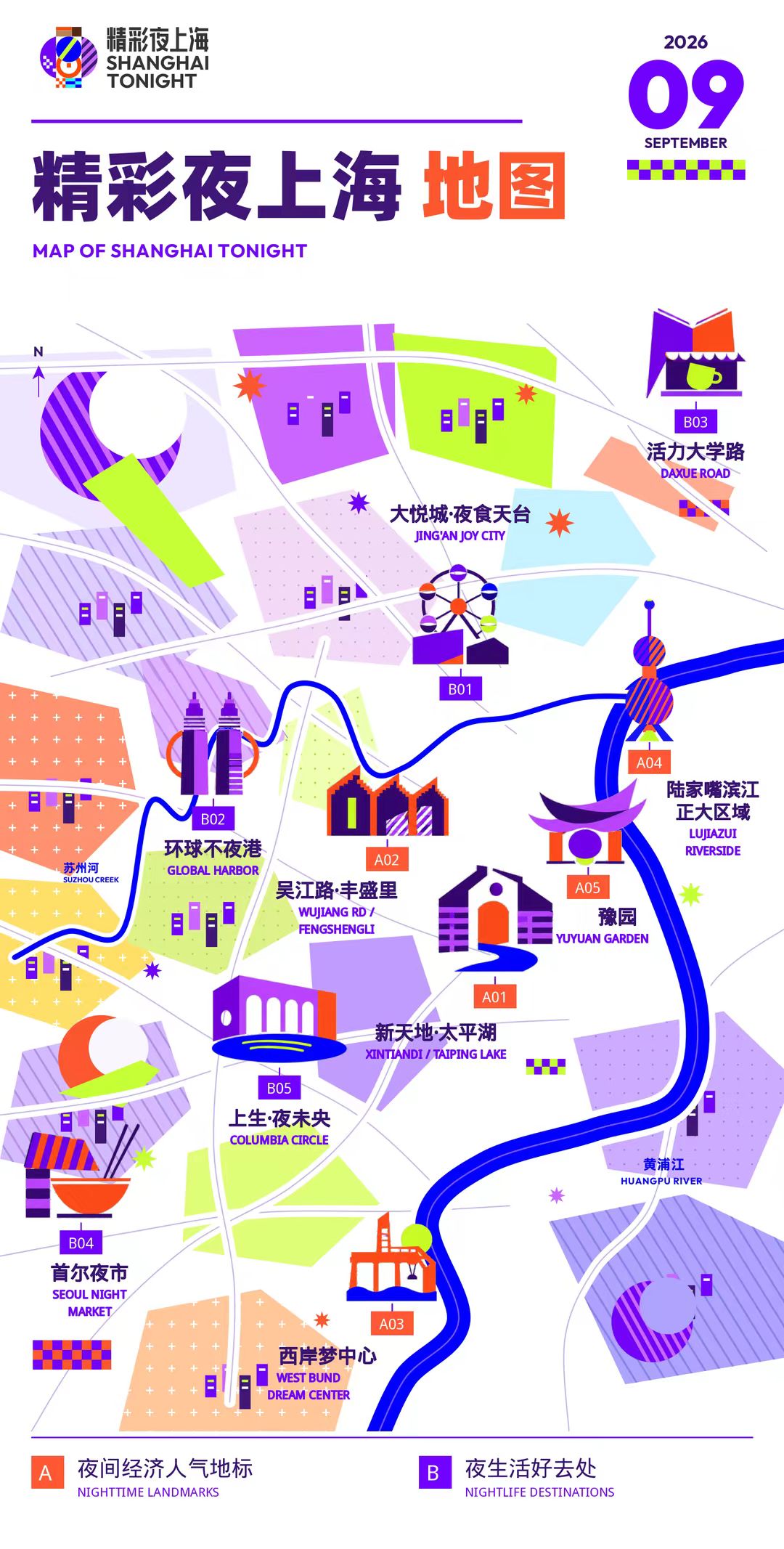
The “Shanghai Tonight” map highlights key nighttime landmarks and nightlife destinations across Shanghai in September 2026.
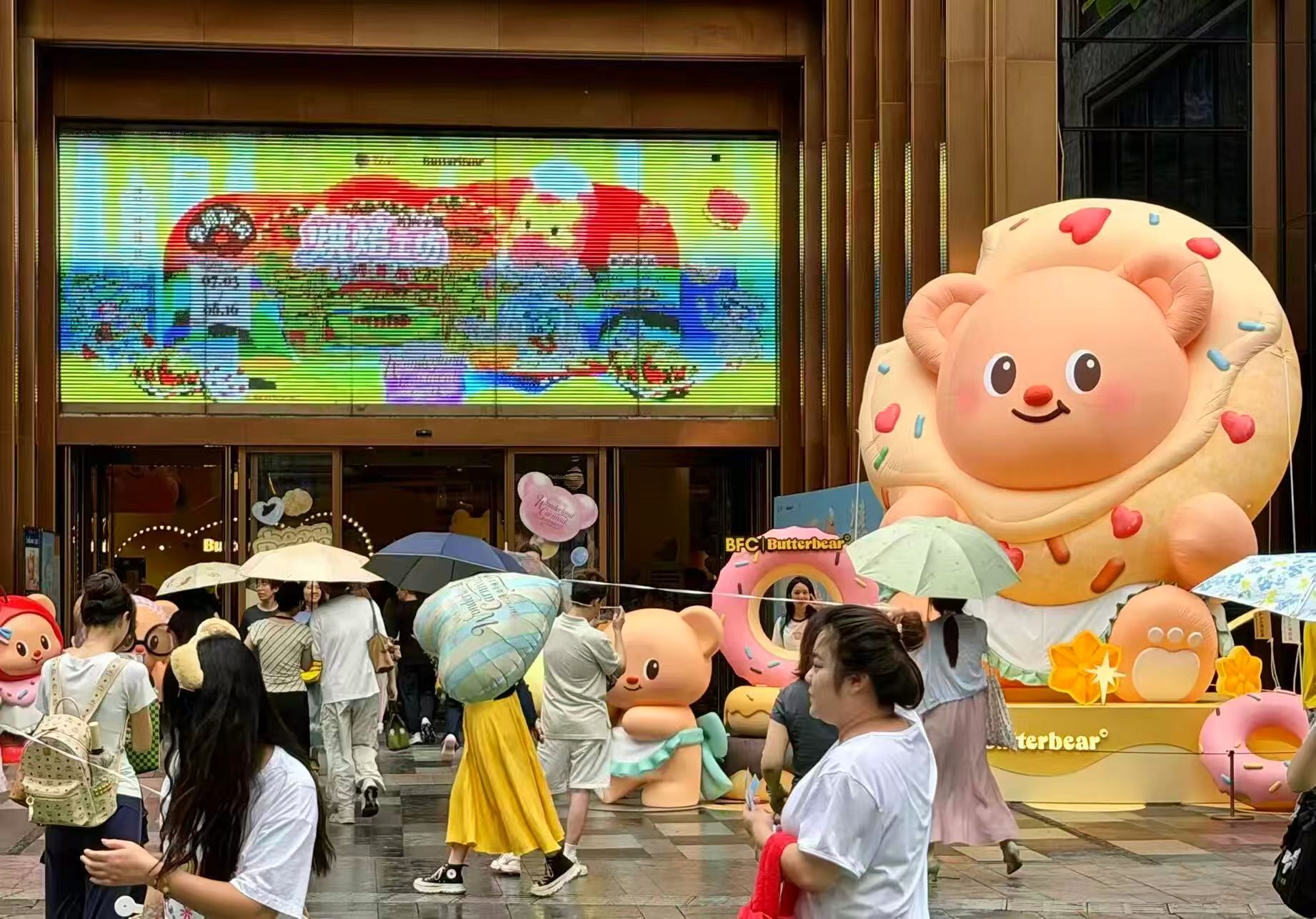
A character-themed retail experience draws visitors in Shanghai, reflecting the city’s growing mix of entertainment, lifestyle and experiential consumption.
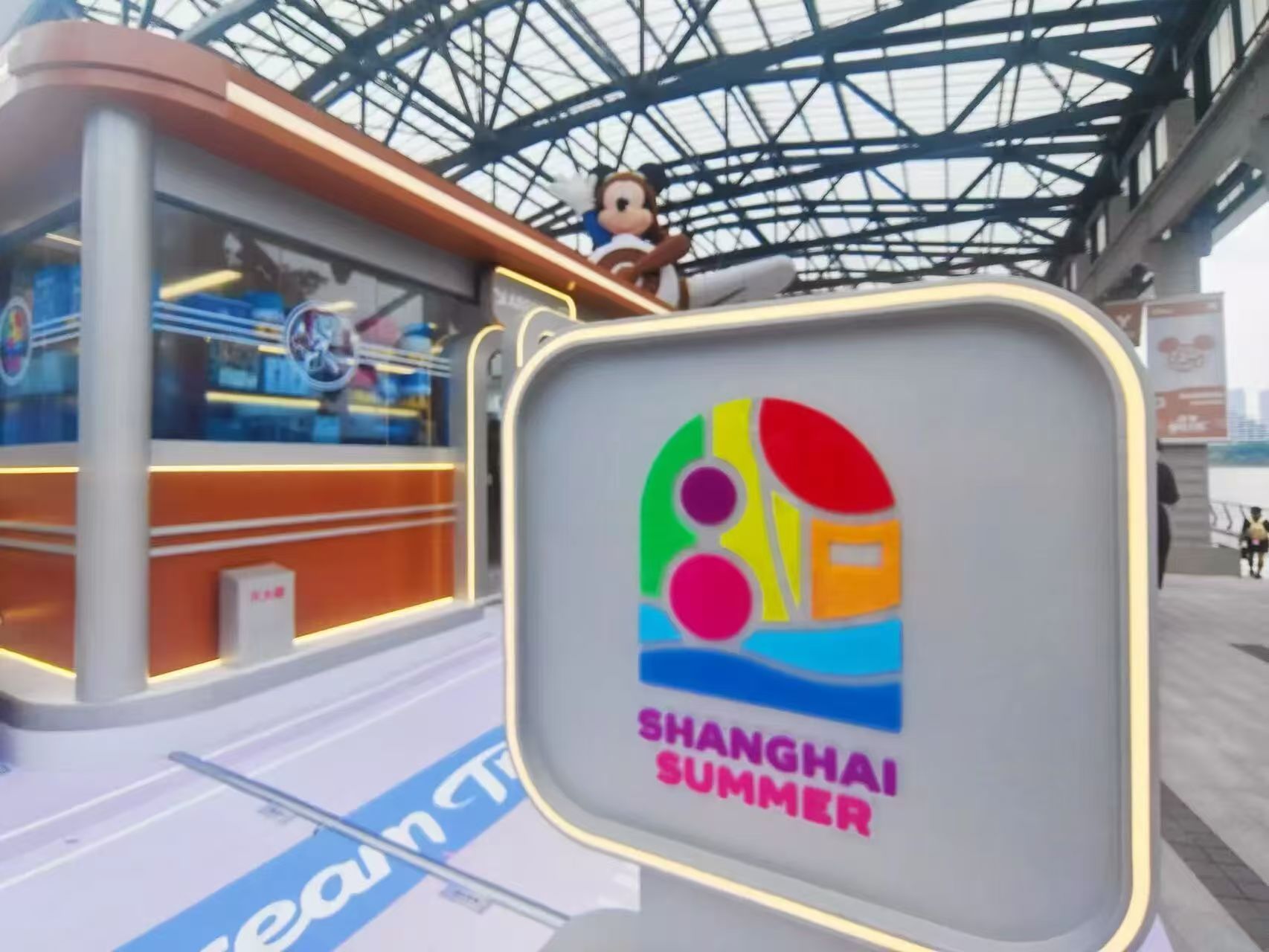
Shanghai Summer brings seasonal events and experiences to locations across the city as part of Shanghai’s international consumption season.
Shanghai Summer turns global events, nightlife and urban experiences into longer stays, deeper engagement and new opportunities for visitor spending.
SHANGHAI, SHANGHAI, CHINA, September 24, 2026 /EINPresswire.com/ -- When an Italian tourist uses four consecutive “Amazing”s to describe his eyewear experience at Shanghai International Glasses City when Manchester United legend Ole Gunnar Solskjær appears on a 500-metre-long open-air street in Jing’an, high-fiving fans; when stories of “foreign visitors flying in just to queue” for Shanghai’s “new local specialties” go viral on social media—these seemingly unrelated scenes all point to the same place: the ongoing 2026 “Shanghai Summer” International Consumption Season.Running from July through October, this year’s consumption season spans three major spending periods—the summer holiday, Mid-Autumn Festival and National Day holiday. Under the theme “Shanghai Summer, Join the Family Fun”, the programme uses the six letters in “S-U-M-M-E-R” to connect six thematic pillars: sports carnivals, urban exploration, museum and cultural discovery, live music, entertainment experiences and leisure time, featuring 11 flagship international events.
A Summer Menu Where the Whole Family Can Join In
Based on the official programme, this year’s “Shanghai Summer” has been designed around three clear principles: all ages, all hours and a complete consumption journey.
The concentration of world-class IPs is perhaps its most visible feature. The sports programme is anchored by the Shanghai ATP1000 Masters and the MXGP Motocross World Championship China Shanghai; the cultural programme includes the Shanghai Museum exhibition “On Top of the World Tree: Ancient Civilizations of the Americas”, bringing together nearly 3,000 cultural relics across more than 10,000 square metres of immersive exhibition space, complemented by two premium VR experiences. In entertainment, Shanghai Disney Resort is celebrating its 10th anniversary with a summer celebration, while younger audiences can also look forward to the “Shanghai Summer” International Game and Anime Month and Xiaohongshu REDLAND 2.0.
Even more significant is the calibre of the “firsts”. From 21 to 23 August, Premier League Live—the Premier League’s official fan experience—made its first appearance outside the UK, landing in China at the open-air street district at No. 22 Yongyuan Road in Jing’an District. The event was divided into daytime experience sessions and evening match-viewing sessions, bringing together cultural showcases from all 20 Premier League clubs, Topps football cards, EA SPORTS FC esports competitions and live match screenings on giant screens. Manchester United legend Ole Gunnar Solskjær also made a special appearance, while some match-viewing sessions continued until 1:15 a.m. the following morning.
“Travelling across Asia, Europe and the Americas without leaving Shanghai” represents another approach to experience design. The “Shanghai Global Gourmet · Asian Flavours Season”, for example, brought together nearly 500 Asian cuisine merchants and launched close to 450 curated dining packages. A “Food Passport” mini-programme turned exploring Asian flavours into an urban game that visitors could check into, collect stamps from and share socially.
The “Underlying Algorithm” of the Consumption Season Has Changed
Looking beyond the events themselves, official information points to three market signals that warrant closer attention from an editorial perspective.
First, service consumption has become a major engine of Shanghai’s consumer economy, and “Shanghai Summer” is a real-world manifestation of that shift. Data show that in 2023, service consumption accounted for nearly 60% of the contribution to Shanghai’s total retail consumption, more than 10 percentage points higher than that of goods retail. In 2025, Shanghai welcomed 1,093 new “first stores”, with high-profile first stores accounting for 16.8% of the total. The city had attracted 8,472 first stores cumulatively, maintaining its leading position nationwide. This year’s consumption season is shifting from “selling products” towards “selling services, experiences and lifestyles”—a direct response to this structural change.
Second, inbound consumption is evolving from short-term visitor traffic into deeper and more lasting economic value. Shanghai International Glasses City offers a particularly compelling example. Ranked No. 5 among 620 shopping destinations in Shanghai on TripAdvisor and recognised with a “2025 Travelers’ Choice” award, it has attracted international visitors willing to “fly in just to shop”. Its appeal lies not simply in lower prices, but in a combination of “20-minute eyewear collection”, China’s speed and efficiency, prices at roughly half the European level, and a surrounding consumer ecosystem that integrates eyewear, shopping and leisure.
While waiting for their glasses, visitors naturally spill over into nearby shopping districts. MINISO blind boxes, Chinese-style dried fruits and tea drinks have all become Shanghai’s “new local specialties”, increasingly “reverse-shopped” by overseas visitors. It is an organically formed extension of the consumption journey: specialised retail markets generate highly efficient visitor traffic, while surrounding commercial areas capture and amplify its value.
Third, “traffic conversion” is now being designed into the urban space itself. The Yongyuan Road district embeds Premier League IP directly into a mixed-use environment combining Chinese designer brands, international first stores, restaurants and bars, creating a conversion chain of “experience–dwell–spillover”. Match-day traffic first becomes longer social dwell time, then translates into spending at fashion and lifestyle stores, before extending further into bars, restaurants and late-night retail.
The data support this model. International consumers now account for more than 35% of spending in the district, up from 20%; foreign-card transactions exceed 40%; and retail turnover has increased by approximately 30% year on year.
From the RMB 88 billion scale of Shanghai’s night-time economy and the institutional support provided by the city’s “16 measures” for service consumption, to a Premier League night unfolding along a 500-metre street, “Shanghai Summer” is evolving from a promotional campaign into a city IP.
What it offers is no longer simply discounts, but a distinctive urban lifestyle—one designed to make Shanghai easy to visit, exciting to explore and rewarding to shop in for travellers from around the world.
L BAI
B MINT LTD
+ +44 7463 077291
email us here
Legal Disclaimer:
EIN Presswire provides this news content "as is" without warranty of any kind. We do not accept any responsibility or liability for the accuracy, content, images, videos, licenses, completeness, legality, or reliability of the information contained in this article. If you have any complaints or copyright issues related to this article, kindly contact the author above.
