

Beyond the Hospital Bill: Guntur Neurosurgeon Calls for Measuring the Hidden Economic Cost of Spine Disease

Beyond the Hospital Bill: Dr. Mohana Rao Patibandla calls for measuring recovery, lost income and patient independence alongside the clinical outcomes of spine surgery.
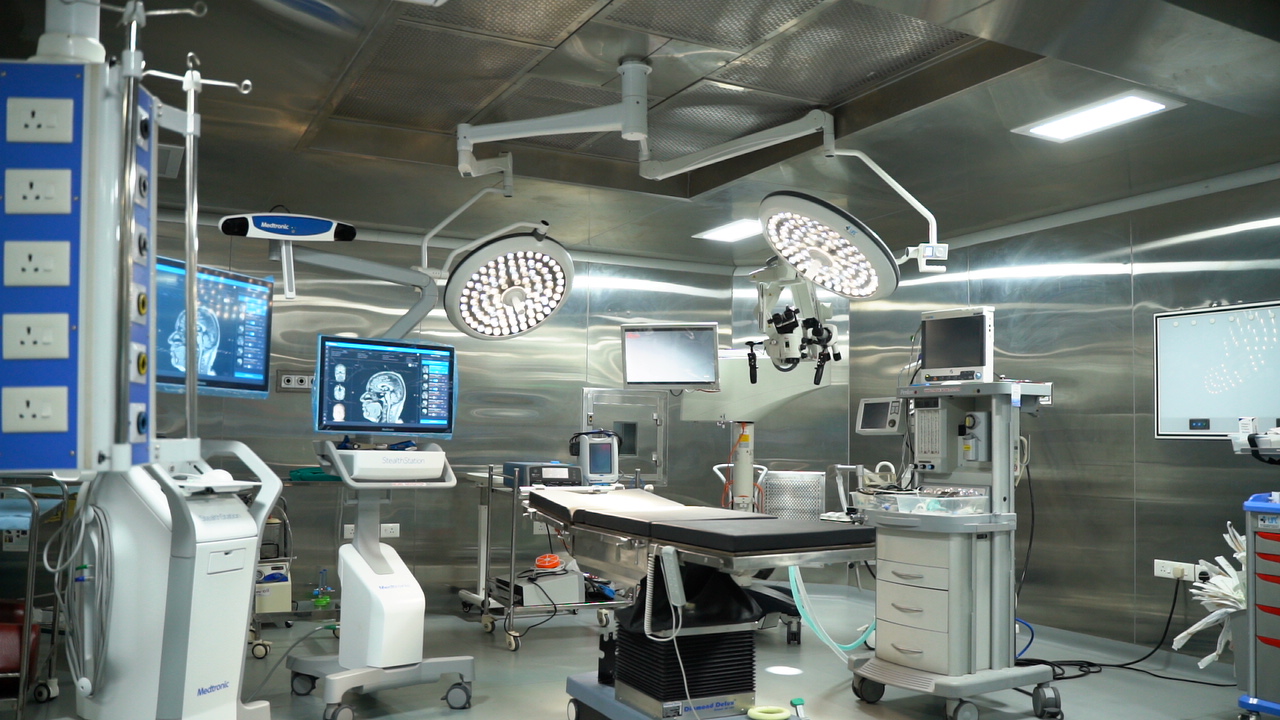
The high-tech neurosurgery operating room at Dr. Rao's Hospital, Guntur featuring advanced imaging and navigation systems for precise brain and spine surgeries.
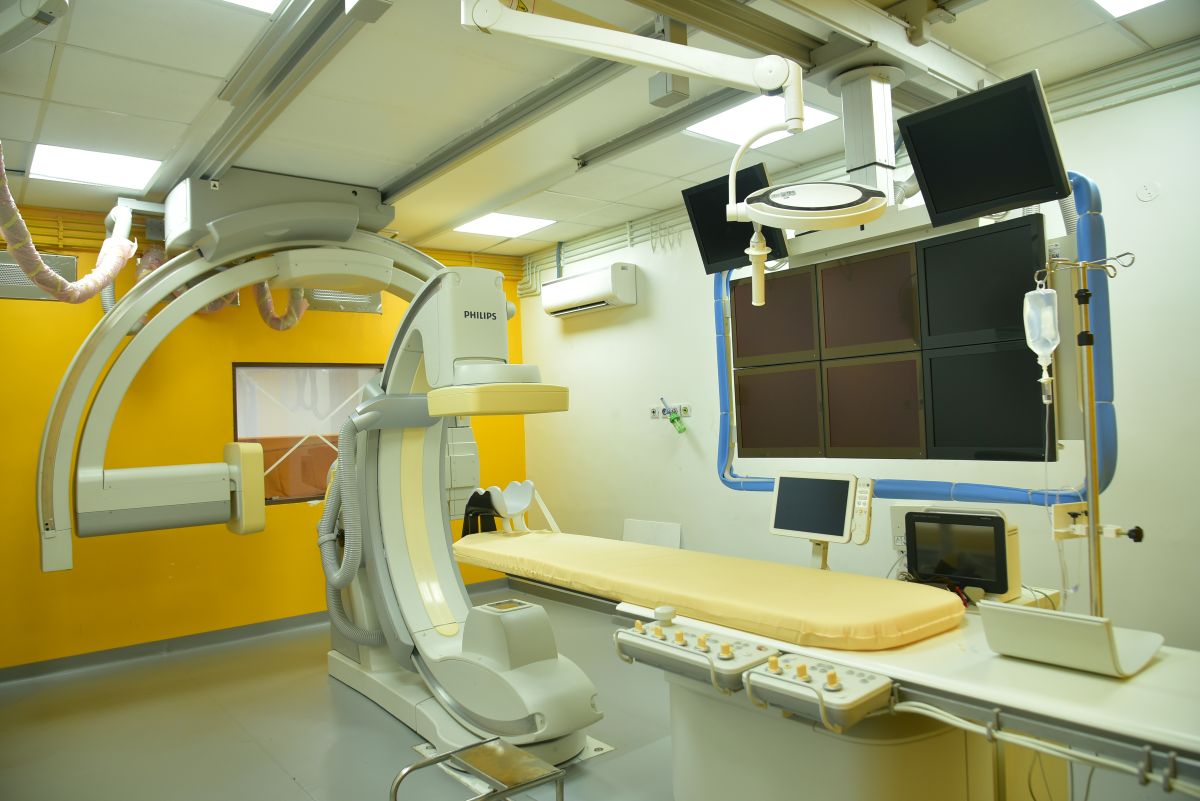
The advanced biplane cath lab at Dr. Rao's Hospital, designed for precision neurovascular procedures and minimally invasive surgeries, first in Andhra Pradesh and Telangana in India.
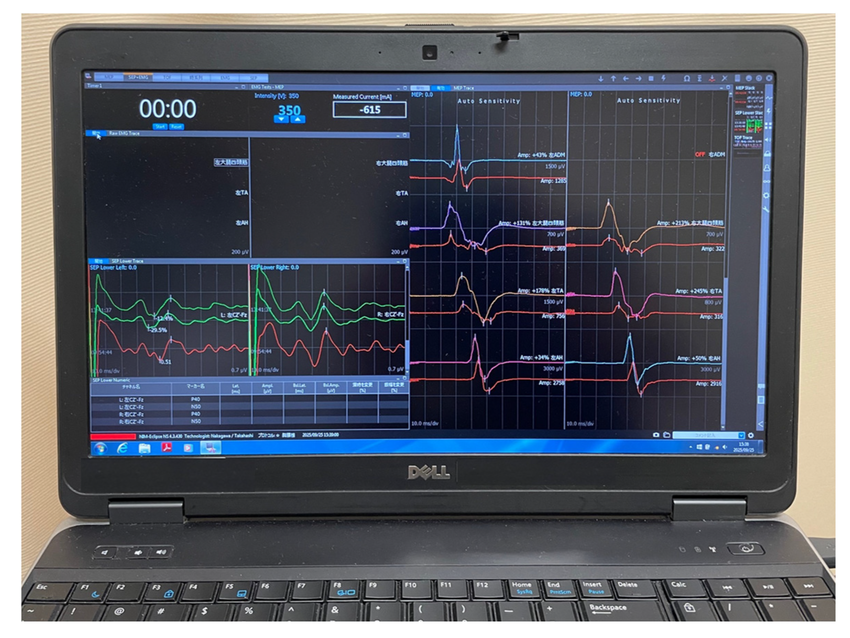
Intraoperative neurophysiological monitoring using the Medtronic NIM Eclipse system to display real-time neural response waveforms during surgery.

Medtronic StealthStation S8 neuronavigation system supporting image-guided planning and navigation in advanced brain and spine surgery.
The true cost of spine disease goes beyond hospital bills. Dr. Mohana Rao Patibandla calls for measuring recovery, lost income and patient independence.
Following World Spine Day 2026, Dr. Mohana Rao Patibandla highlights lost income, caregiver burden and recovery as overlooked dimensions of spine care—and calls for a more patient-centred approach to evaluating treatment.
GUNTUR, ANDHRA PRADESH, INDIA — October 17, 2026 — The cost of spinal disease does not end with a consultation, diagnostic scan or surgical bill. For many patients, the financial consequences can extend to lost earnings, travel for treatment, rehabilitation expenses and time taken by family members to provide care.
Following World Spine Day, observed on October 16, Dr. Mohana Rao Patibandla, founder and chief neurosurgeon at Dr. Rao’s Hospital – International Institute of Neurosciences (IIN), Guntur, is calling for a broader way to assess the value of spine care: measuring not only the immediate cost of treatment but also its implications for recovery, functional independence and everyday life.
The World Health Organization estimates that low back pain affected 619 million people worldwide in 2020, with the number projected to reach 843 million by 2050. Low back pain is the leading cause of disability worldwide and can substantially restrict participation in work and daily activities.
“The cost of spinal disease is not measured only by what a patient pays at the hospital. It can also include income lost during illness, the time family members spend providing care and the difficulty of returning to normal activities. We need to look at the entire patient journey when discussing the value of treatment,” said Dr. Mohana Rao Patibandla.
Why the economics of recovery deserve greater attention
For a salaried employee, time away from work may affect income or employment responsibilities. For a self-employed individual or daily-wage worker, even a short interruption can create immediate financial pressure. Family members may also need to rearrange their work and responsibilities to support a recovering patient.
These costs are not identical for every patient, and they are not always captured in the hospital bill. Dr. Rao believes that discussions about spine care should increasingly consider these broader effects alongside clinical outcomes, safety, appropriate treatment selection and long-term function.
The call is particularly relevant to healthcare systems seeking to balance access to specialised treatment with affordability for patients and families.
What does the evidence say about minimally invasive spine surgery?
Minimally invasive spine surgery (MIS) uses specialised techniques to reach selected spinal conditions while limiting disruption to surrounding tissues. Depending on the procedure and the patient's condition, potential advantages may include lower blood loss, shorter hospitalisation and reduced surgical tissue disruption.
A 2016 systematic review of 45 comparative studies of minimally invasive and open posterior or transforaminal lumbar interbody fusion reported 15%–64% shorter hospital stays and 16.1%–88.7% lower estimated blood loss with minimally invasive fusion. The economic studies included in that review reported savings ranging from 2.5% to 49.3%.
However, these are study-specific findings, not guaranteed savings for every patient. A separate 2022 systematic review of 17 cost-effectiveness studies concluded that although the literature generally favoured minimally invasive approaches in several cost analyses, limitations in study quality prevented a definitive recommendation based on cost-effectiveness alone.
For Indian patients, actual costs will depend on the diagnosis, procedure, implants, hospital, rehabilitation requirements, follow-up and individual circumstances. International cost estimates should not automatically be translated into rupee savings.
Dr. Rao emphasises that minimally invasive surgery should be selected on clinical grounds, not marketed as universally superior or cheaper.
“The objective is not simply to make an incision smaller. It is to select the right operation for the right patient, achieve the intended clinical result and support a safe recovery. Cost, recovery time and functional outcomes deserve discussion, but they must be assessed honestly and in the context of the patient's individual needs,” he said.
A call to measure the total cost of recovery
Dr. Rao proposes that spine-care providers and researchers give greater attention to a broader set of patient-centred measures:
Direct medical expenditure, including hospitalisation, investigations, medicines and implants.
Recovery-related expenditure, including transport, rehabilitation and assistance at home.
Work disruption, including days away from employment or self-employment.
Caregiver burden, including time taken by family members to provide support.
Clinical outcomes, including complications, readmissions, functional improvement and return to usual activities.
Such measures could help patients understand the wider implications of treatment and help researchers investigate whether different care pathways offer meaningful economic as well as clinical benefits.
The proposal is a call for better measurement, not a claim that a particular percentage of patients' expenses can already be saved through MIS at the hospital.
Specialised spine care in Guntur
Dr. Rao’s Hospital – International Institute of Neurosciences provides specialised neurological, neurosurgical and spine services in Guntur, Andhra Pradesh.
According to hospital records, Dr. Rao's clinical experience includes more than 1,000 endoscopic spine procedures and more than 12,000 minimally invasive procedures overall. These figures represent different categories of clinical activity and are not comparative cost-effectiveness or recovery-outcome data.
The institution provides minimally invasive and endoscopic spine procedures for appropriately selected patients, alongside clinical assessment and individualised treatment planning.
For patients who might otherwise need to travel to distant centres, access to specialised treatment closer to home may also be relevant to the overall burden of care. The financial effect depends on each patient's location, treatment requirements and circumstances.
Prevention and appropriate treatment remain essential
World Spine Day is also an opportunity to reinforce the importance of maintaining spinal health through physical activity, appropriate exercise, safe lifting practices and healthy working environments.
Not all back pain requires surgery. Many patients benefit from non-surgical management, and the appropriate treatment depends on the cause and severity of symptoms. Progressive weakness, new bladder or bowel dysfunction, or numbness around the saddle region warrants urgent medical evaluation.
Dr. Rao's message is that spine care should be evaluated through a wider lens: clinical effectiveness, safety, affordability, recovery and the ability to participate in everyday life.
The question for the future of spine care is not only what an operation costs, but how comprehensively we measure the burden of disease and the value of recovery.
About Dr. Rao’s Hospital – International Institute of Neurosciences
Dr. Rao’s Hospital – International Institute of Neurosciences (IIN), located in Guntur, Andhra Pradesh, India, provides specialised neurological, neurosurgical and spine care. Its services include minimally invasive neurosurgery, endoscopic spine surgery, brain and spine tumour surgery, cerebrovascular and endovascular neurosurgery, and other specialised neurosciences services.
The institution was founded by Dr. Mohana Rao Patibandla, a neurosurgeon with international fellowship training across multiple neurosciences subspecialties.
Media Contact
Dr. Rao’s Hospital – International Institute of Neurosciences (IIN)
12-19-67, Old Bank Road, Kothapet, Opposite Sravani Hospital
Guntur, Andhra Pradesh 522001, India
Phone: +91 90100 56444
Email: info@drraoshospitals.com
Website: https://drraoshospitals.com
Suggested keywords: World Spine Day 2026, minimally invasive spine surgery, endoscopic spine surgery, cost of spine surgery, spine health, Guntur neurosurgeon, Dr. Mohana Rao Patibandla
Mohana Rao Patibandla
Patibandla Narayana Swamy Neurosciences LLP
+918008439393 ext.
info@drraoshospitals.com
Visit us on social media:
LinkedIn
Instagram
Facebook
YouTube
X
Dr. Rao's Hosptial - the best neurosurgery hospital in India - with medical tourism
Legal Disclaimer:
EIN Presswire provides this news content "as is" without warranty of any kind. We do not accept any responsibility or liability for the accuracy, content, images, videos, licenses, completeness, legality, or reliability of the information contained in this article. If you have any complaints or copyright issues related to this article, kindly contact the author above.
